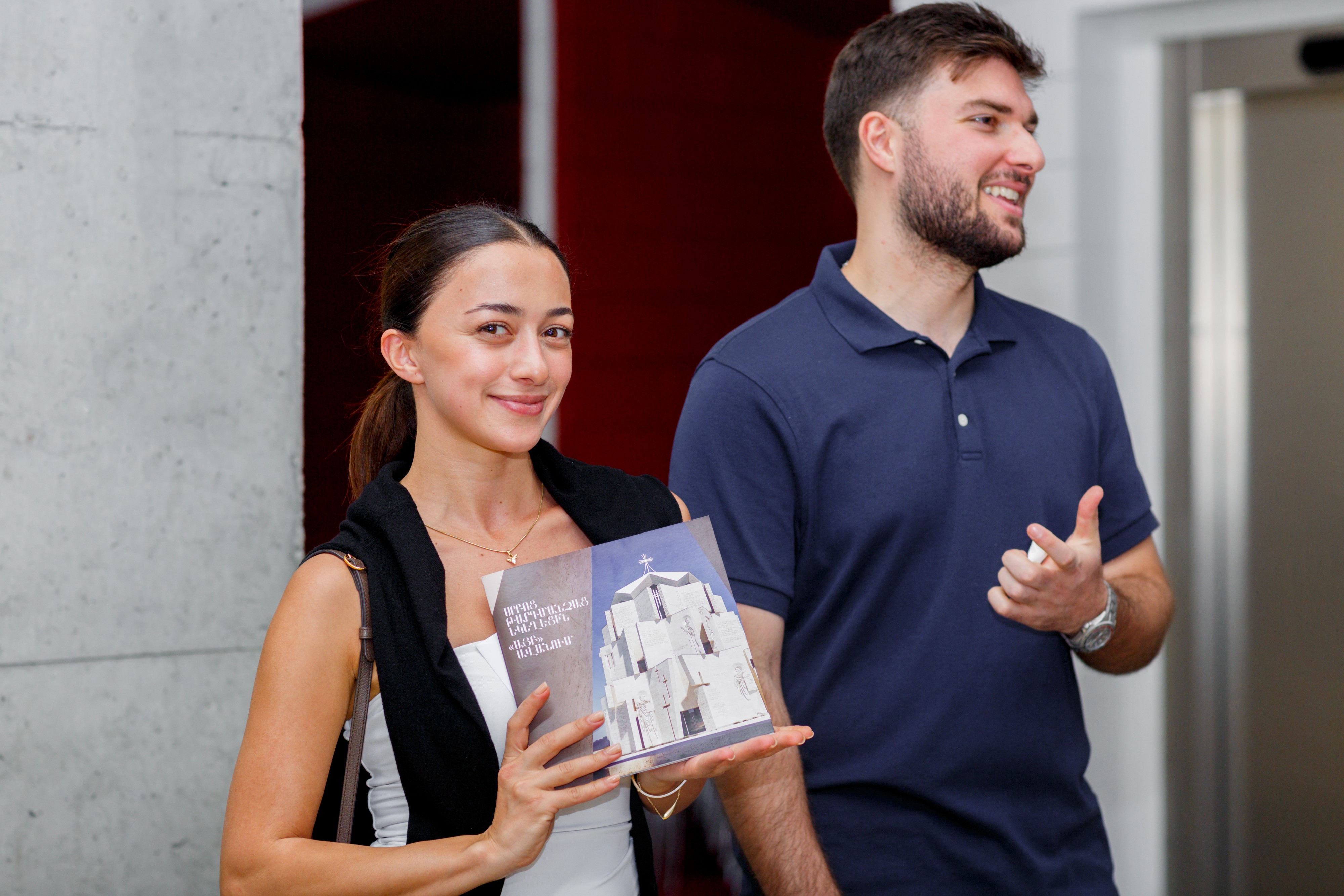
Construction of the Church of the Holy Translators Begins at Ayb Educational Campus
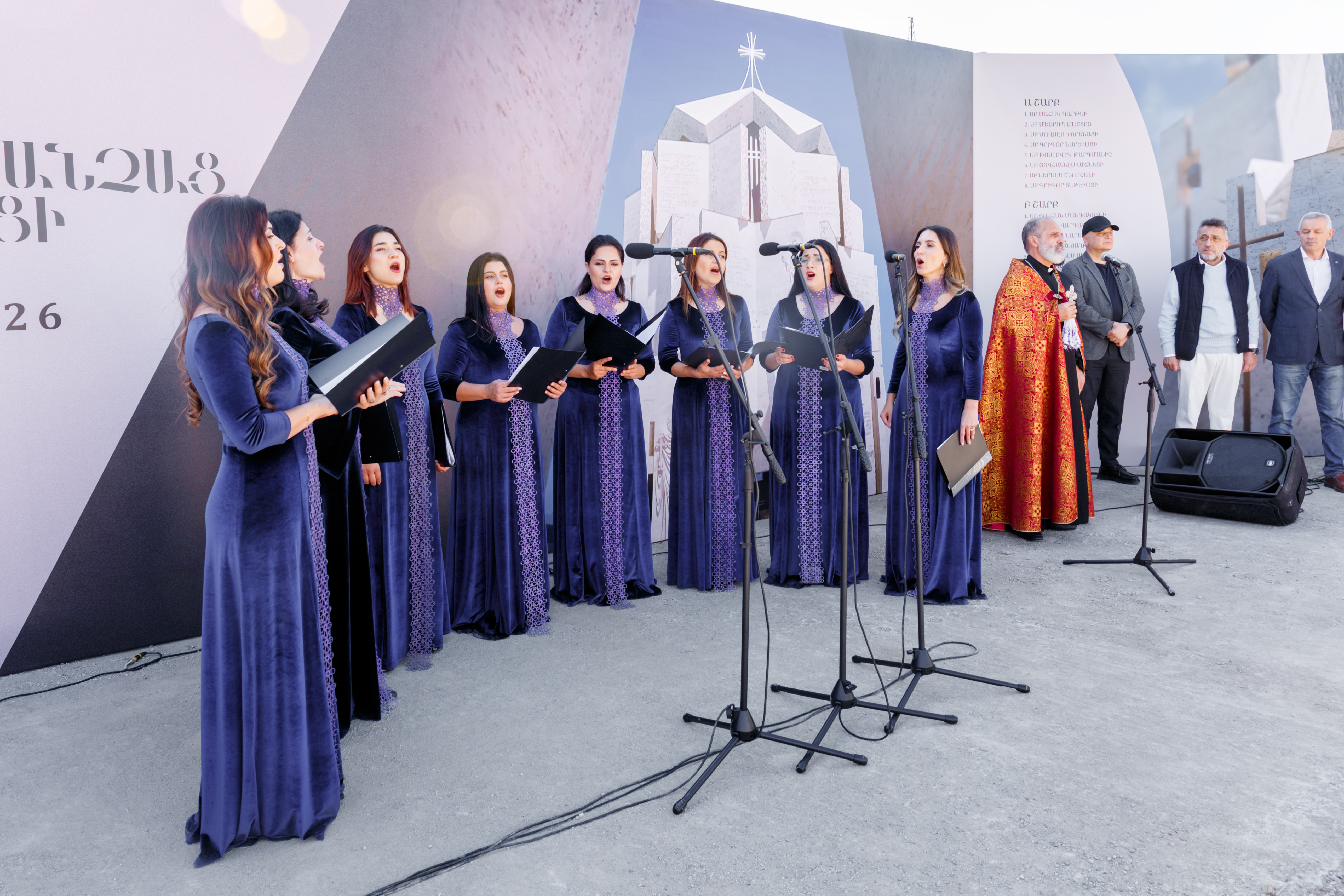
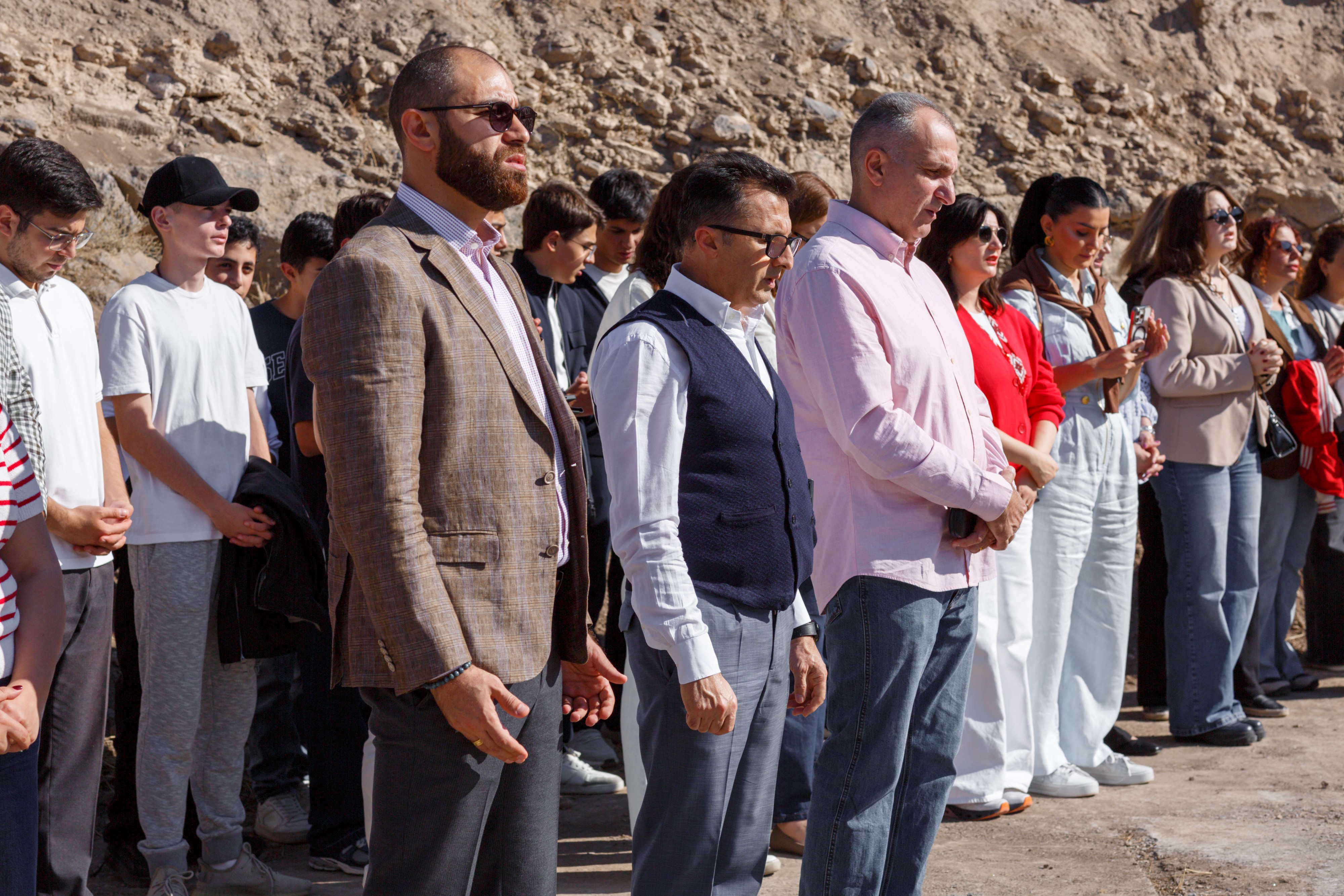
On October 10, the Feast of the Holy Translators, a solemn ceremony marking the commencement of construction of the Church of the Holy Translators took place at the Ayb Educational Campus. This event marks a significant milestone in Ayb’s history, symbolizing the interconnectedness of education, faith, moral values, and national identity.
 The enlightening mission of St. Mesrop Mashtots, St. Sahak Partev, and their disciples played a decisive role in shaping and preserving Armenian writing, literature, and national identity. The Translators’ Movement, which began in the fifth century, and the educational and spiritual legacy it created remain fundamental pillars of Armenian identity and a source of inspiration for generations.
This very legacy lies at the heart of the mission of the Ayb educational community. For centuries, the Armenian Church and the Armenian School have worked together to preserve the spiritual and national unity of the Armenian people. The construction of a church at the Ayb Educational Campus is intended to carry this tradition forward by creating an environment where knowledge and learning are harmonized with spiritual and moral values, and where national heritage serves as a source of inspiration for shaping the future.
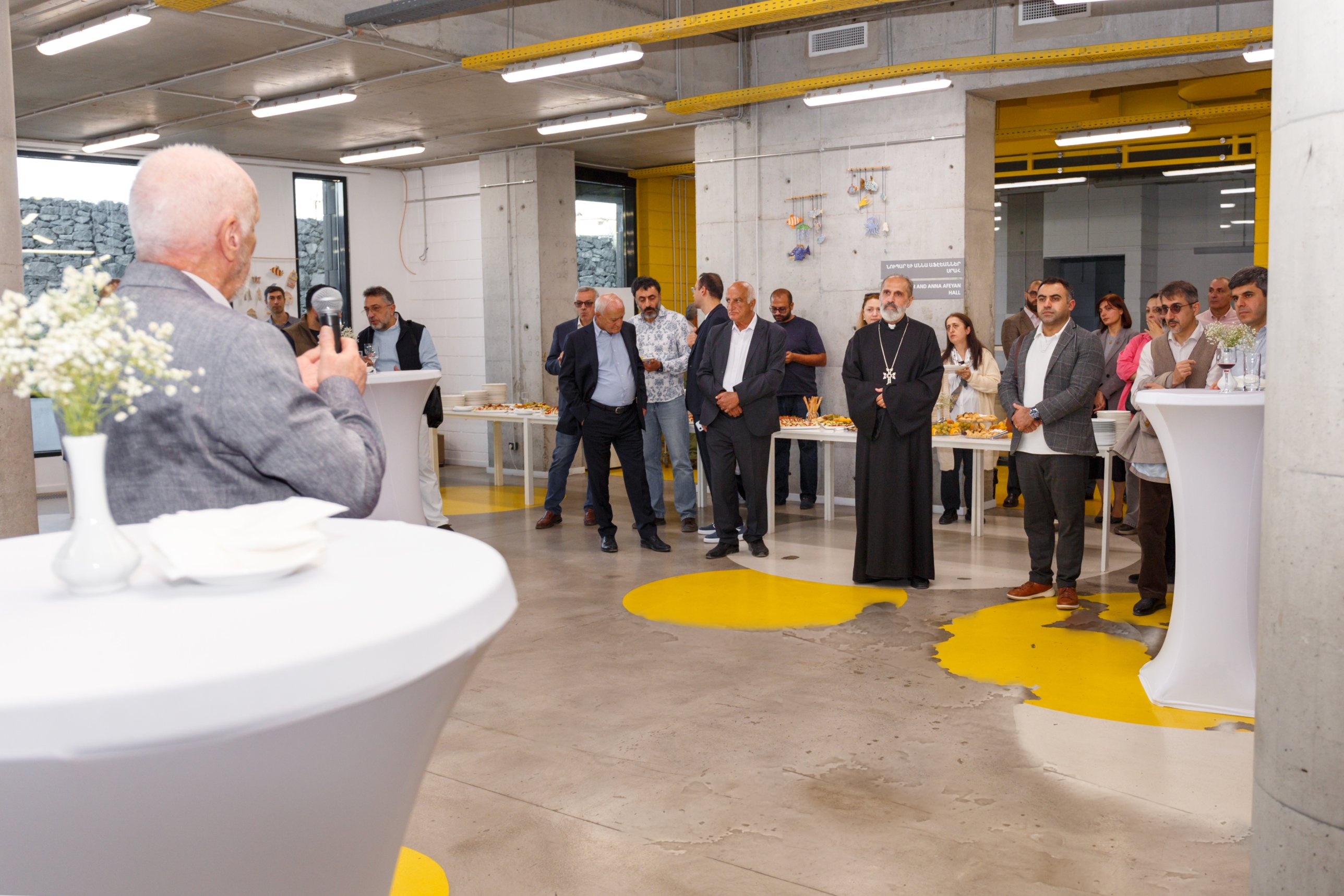
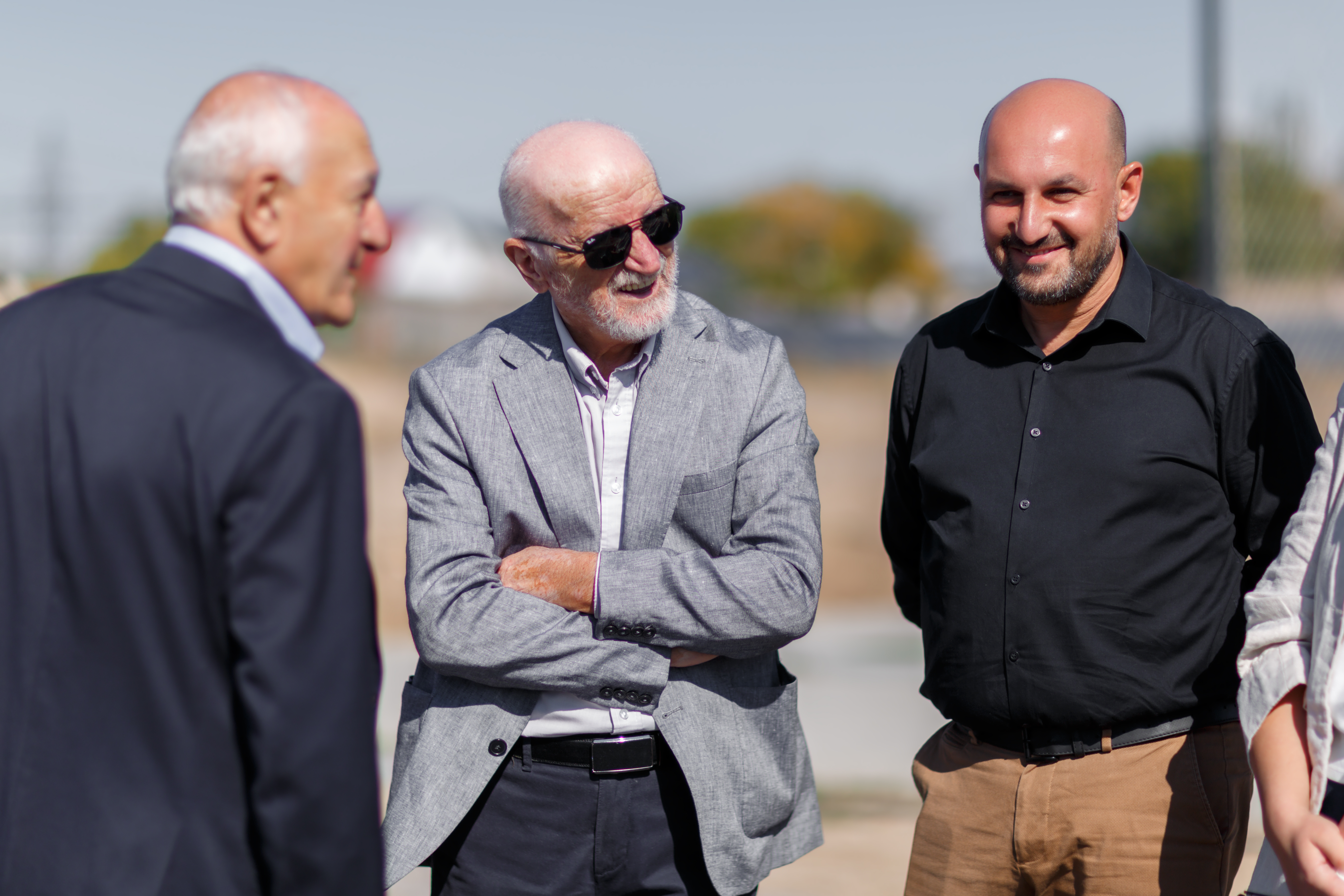
During the ceremony, Fr. Mesrop Aramian, co-founder of Ayb School, emphasized the importance of the Translators’ Movement and the concept of translation in Armenian history. By canonizing the translators and establishing a feast in their honor, the Armenian people elevated translation to a sacred endeavor, recognizing it as an essential safeguard for the preservation and continuity of national identity, language, and culture.
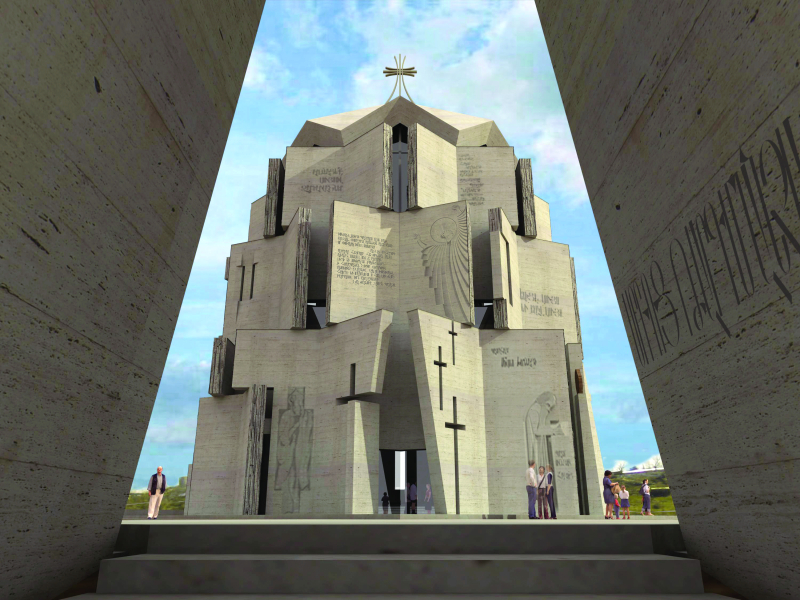
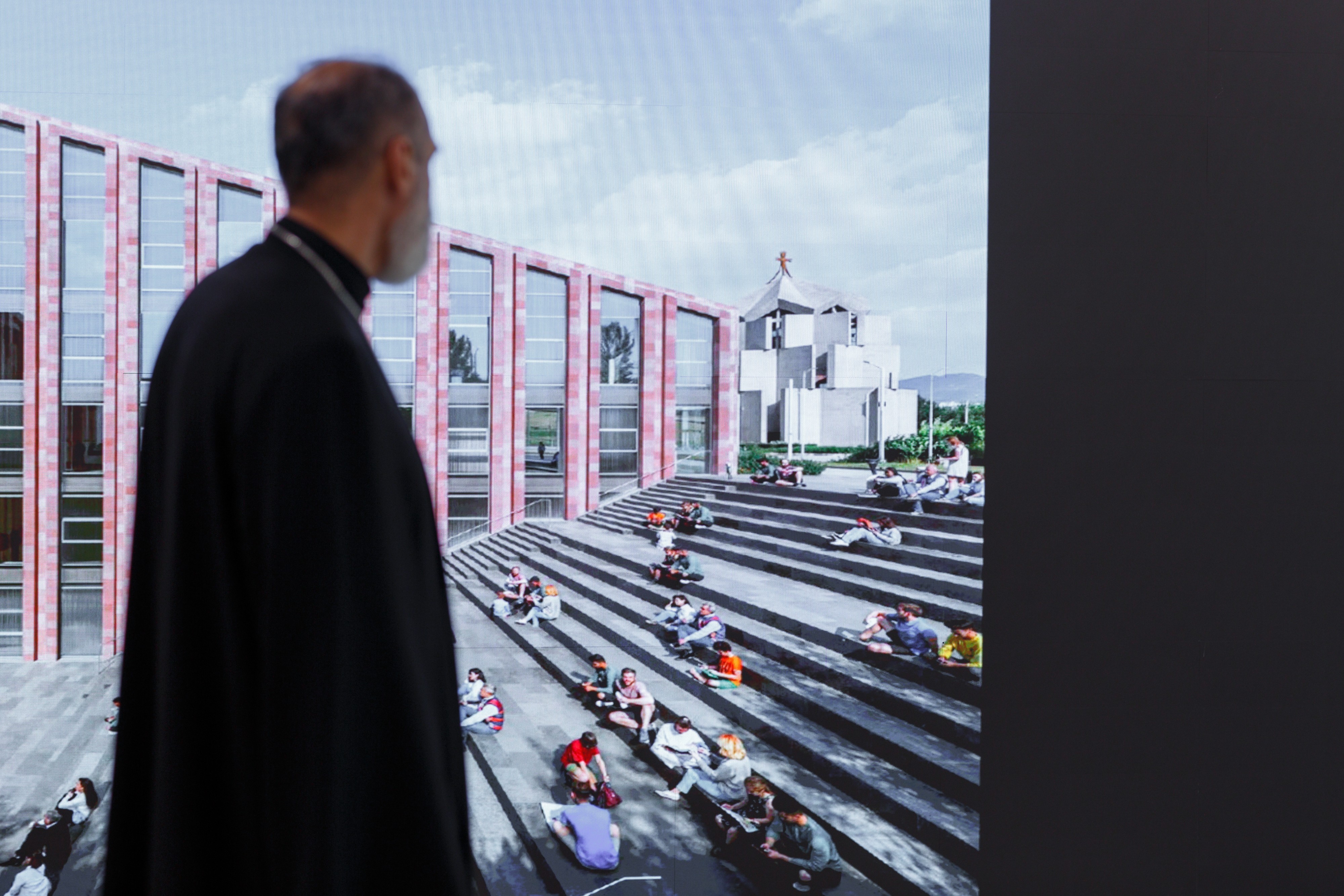
Designed by architect Erik Ohanyan, the Church of the Holy Translators is scheduled for completion in 2029. It will become an important part of the Ayb Educational Campus, complementing the educational environment with a dedicated space for spiritual life, prayer, and contemplation.
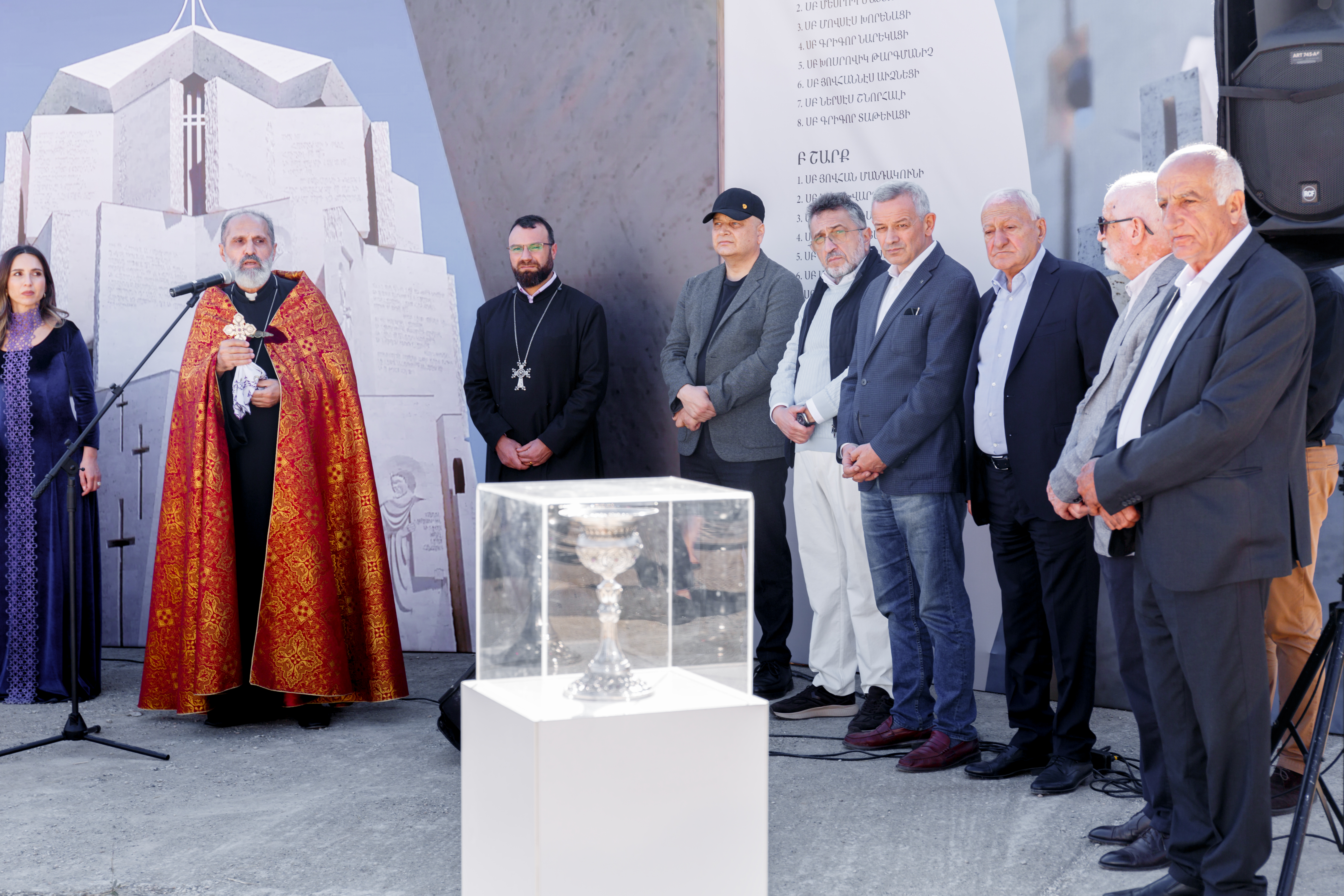
During the solemn ceremony, a chalice blessed on Mount Ararat was donated to the church, symbolizing the spiritual beginning of the future sanctuary. The first book for the library planned adjacent to the church was a Classical Armenian (Grabar) Bible published in the nineteenth century by Fr. Arsen Bagratuni, symbolizing the inseparable bond between knowledge, faith, and wisdom.
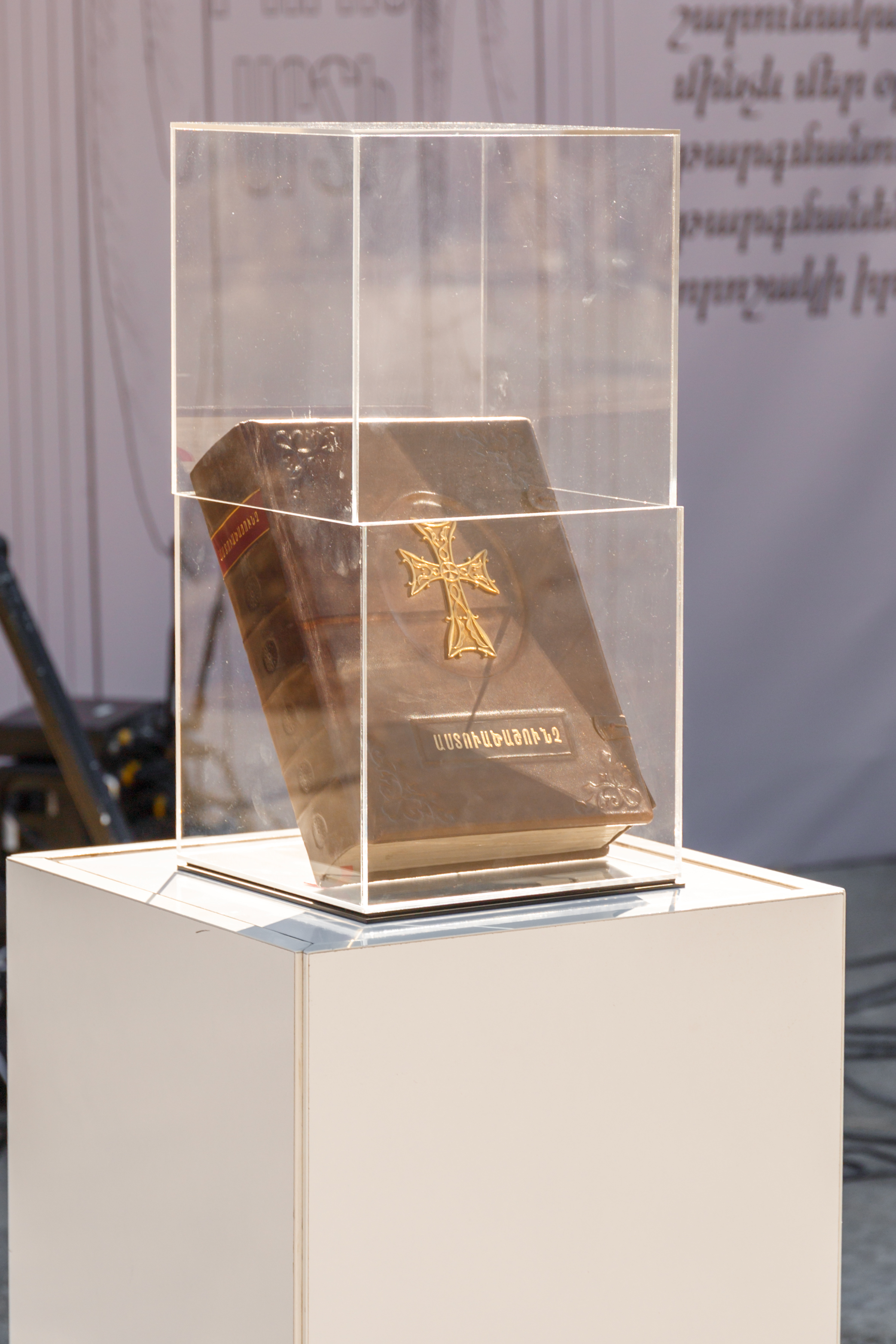
The commencement of construction of the Church of the Holy Translators is more than the launch of a construction project. It is a continuation of Ayb’s educational mission, dedicated to passing on knowledge, spiritual values, and national heritage to future generations. The church is envisioned as a place where historical heritage remains a living presence and where education and spiritual life work together to nurture responsible, values-driven generations with a strong sense of national identity.
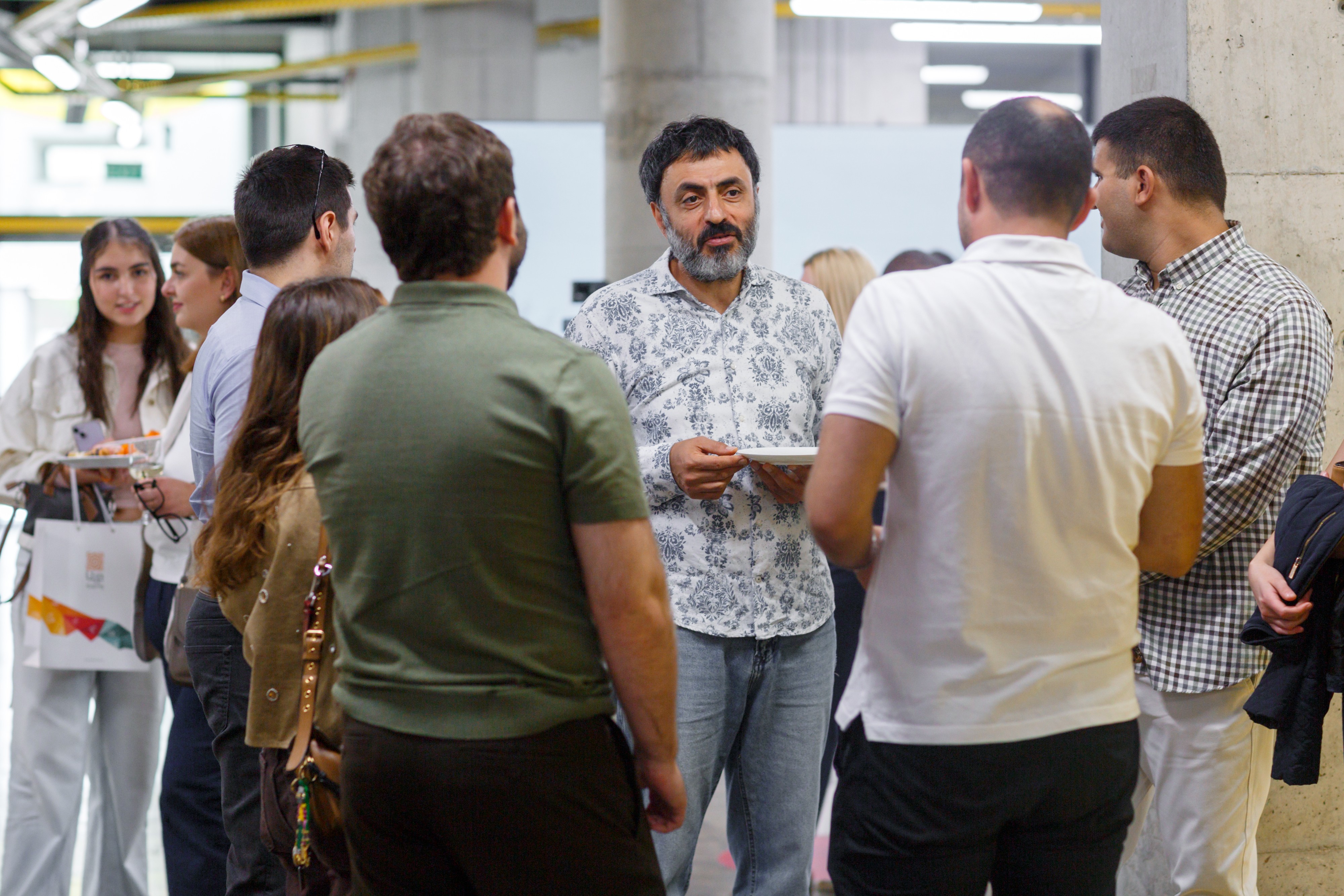
The journey has begun: the construction of the Church of the Holy Translators lies ahead, in the service of education, faith, and the continuity of Armenian identity.